Your mind is running you, and it is time to take the wheel
The quality of your life is decided in a place no one else can see. Most minds run on Reactive Thought, automatic, conditioned, dictated by old wounds and present noise. The alternative is trainable: Active Thought, the deliberate use of the mind in service of your purpose. It is the control room of everything else you will ever build.
The three problems this work solves
How to stop the spiral, the rumination, the 3 a.m. replay
“My mind runs me. Spirals, rumination, the 3 a.m. replay.”
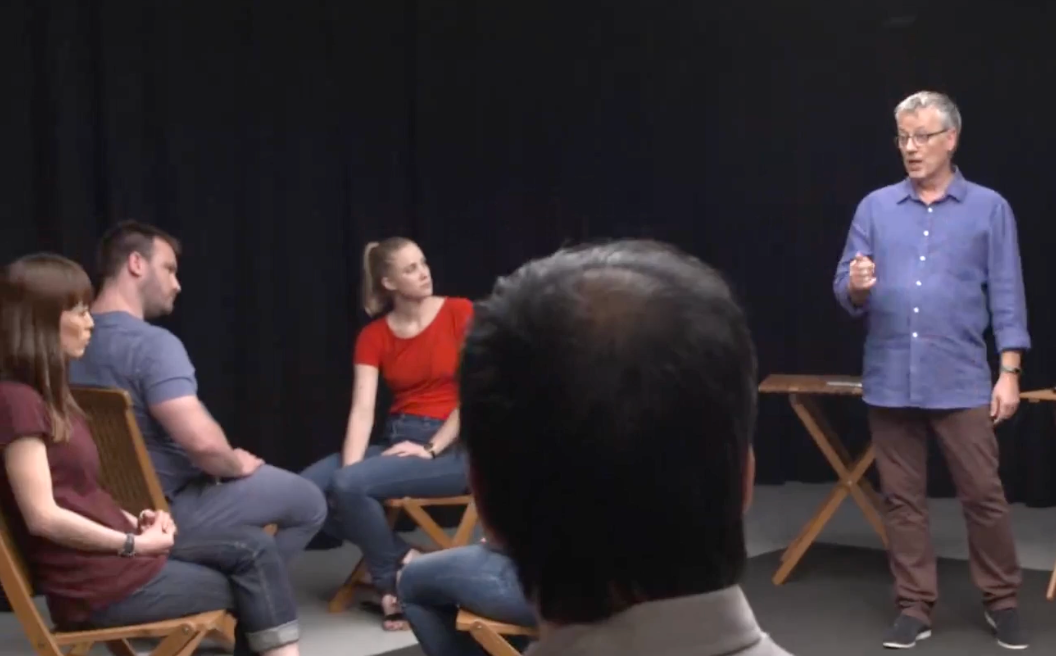
You stop a spiral by refusing to participate in it, using a three-beat move you can run today: notice the thought, name it, then choose the next one deliberately.
The conversation replayed forty times. The worry that arrives at 3 a.m. with its own agenda. The mood that hijacks a whole day. You have tried thinking your way out, which is like putting out a fire with more fire, and tried not thinking about it, which every mind treats as a request to think about it more.
The leverage point is simple: a spiral needs your participation to keep spinning. This is how you stop overthinking and quiet a racing mind at night. Notice the thought, and in the moment of noticing you are no longer inside it. Name it, this is the replay again, and naming alone strips half its power. Choose the next thought deliberately. It feels trivial. Practiced, it is the difference between a mind that happens to you and a mind you operate. The book then builds the full discipline: where Reactive Thought comes from, why it took over, and how Active Thought becomes the default rather than the exception.
Why setbacks wreck you, and how both/and thinking fixes it
“Setbacks wreck me. Contradictions freeze me.”
Setbacks wreck you because of either/or thinking, and the repair is the Living Paradox, the trained capacity to hold two truths at once.
One piece of criticism erases a month of progress. A failure reads as a verdict on your worth. And life’s contradictions, wanting security and adventure, loving someone and being furious at them, being confident and terrified at once, produce a freeze that feels like weakness.
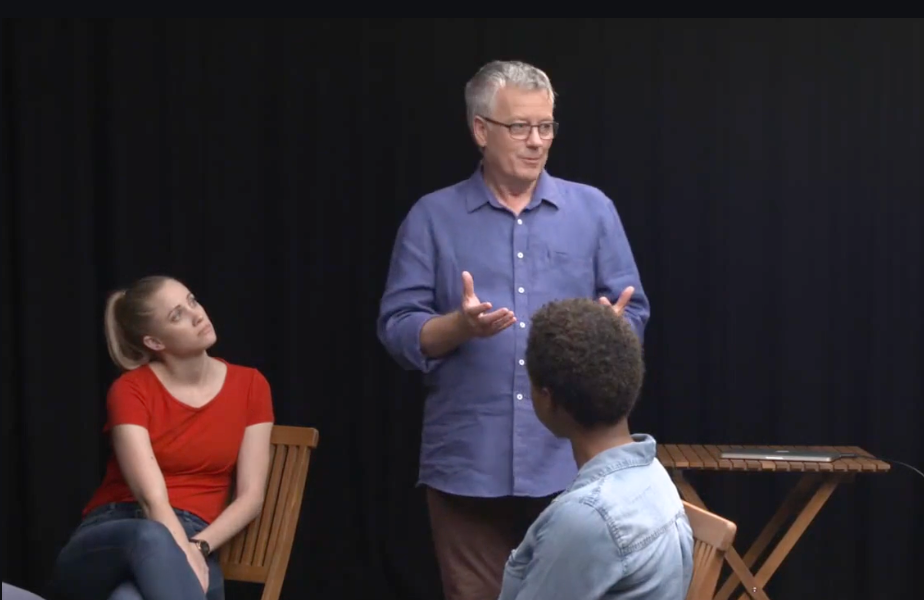
The fault is not in you. It is in either/or thinking, the dualistic mind that sorts everything into success or failure, good or bad, win or lose, and so cannot process a world that refuses the sorting. The both/and mind holds the pair instead. The setback is real and the trajectory is sound. The anxiety and the excitement are the same energy. The shadow gives the light its meaning. This is the documented core of resilience, not toughness, which shatters, but the flexibility to hold contradiction and keep moving. The book trains it as one thinking modality among several, reflective, critical, creative, systemic, intuitive, so you select your thinking the way a craftsman selects tools.
How to govern self-talk and silence the inner critic
“My self-talk defeats me before anyone else can.”
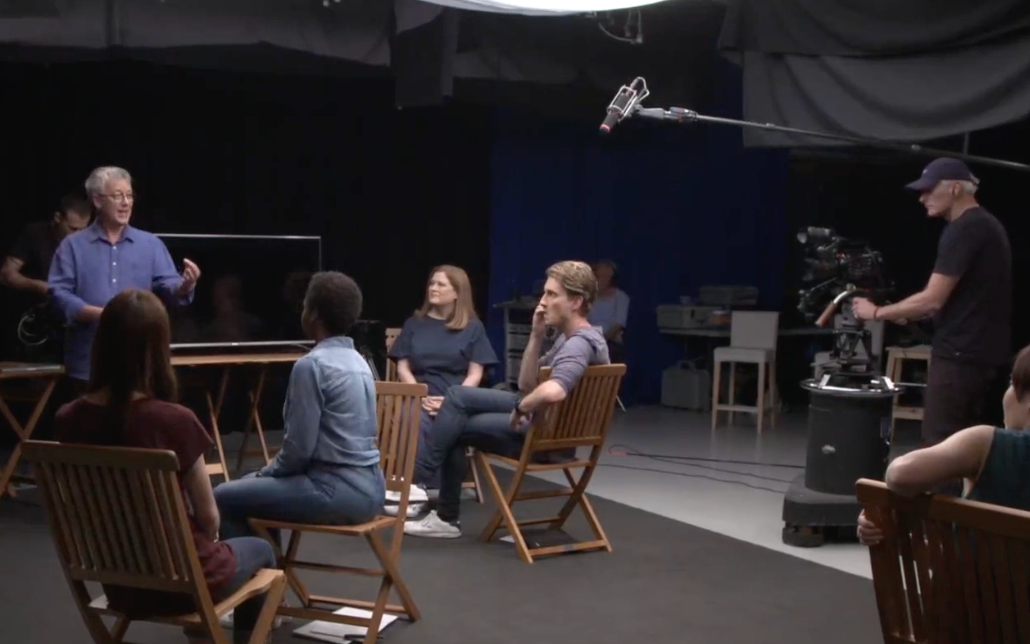
Your self-talk defeats you because no one is presiding over the inner courtroom, and the fix is to seat the judge, ruling by the principles you wrote when calm.
The inner critic with the megaphone, narrating your inadequacy in a voice so familiar it sounds like truth. And its quieter partner, the rationalizer, who talks you out of your standards one reasonable-sounding sentence at a time. Between them they run a courtroom only you attend, and in an unharnessed mind they win every case by default.
This is how you quiet negative self-talk and silence the inner critic. You learn to hear the critic’s speech as a speech, an old recording, datable, with an author, rather than as the news. You learn to catch the rationalizer mid-argument and name the maneuver. And you learn to rule, by the principles you wrote when calm, this is where the Character Statement from Framework Four gets used dozens of times a day, and by the purpose your thinking is meant to serve. The critic does not vanish. It loses its majority. The voice that replaces it is not cheerleading. It is governance.
Download the Free GuideWhat changes when this work is done
Life with a harnessed mind is quieter in a specific way. The noise still arrives, and it no longer governs. You catch the spiral at turn one instead of turn forty, and decline it. Criticism lands as information, it stings, gets weighed, and takes its correct size, instead of detonating the week. The 3 a.m. courtroom loses its docket.
Contradictions stop freezing you, because both/and has become a reflex, and you can be unsure and act, afraid and present, disappointed and persistent. And everything else you have built, the presence, the purpose, the character, the connections, runs better, because all of it was always operated from this room, and now someone you chose is at the controls.
Inside the Thinking Work
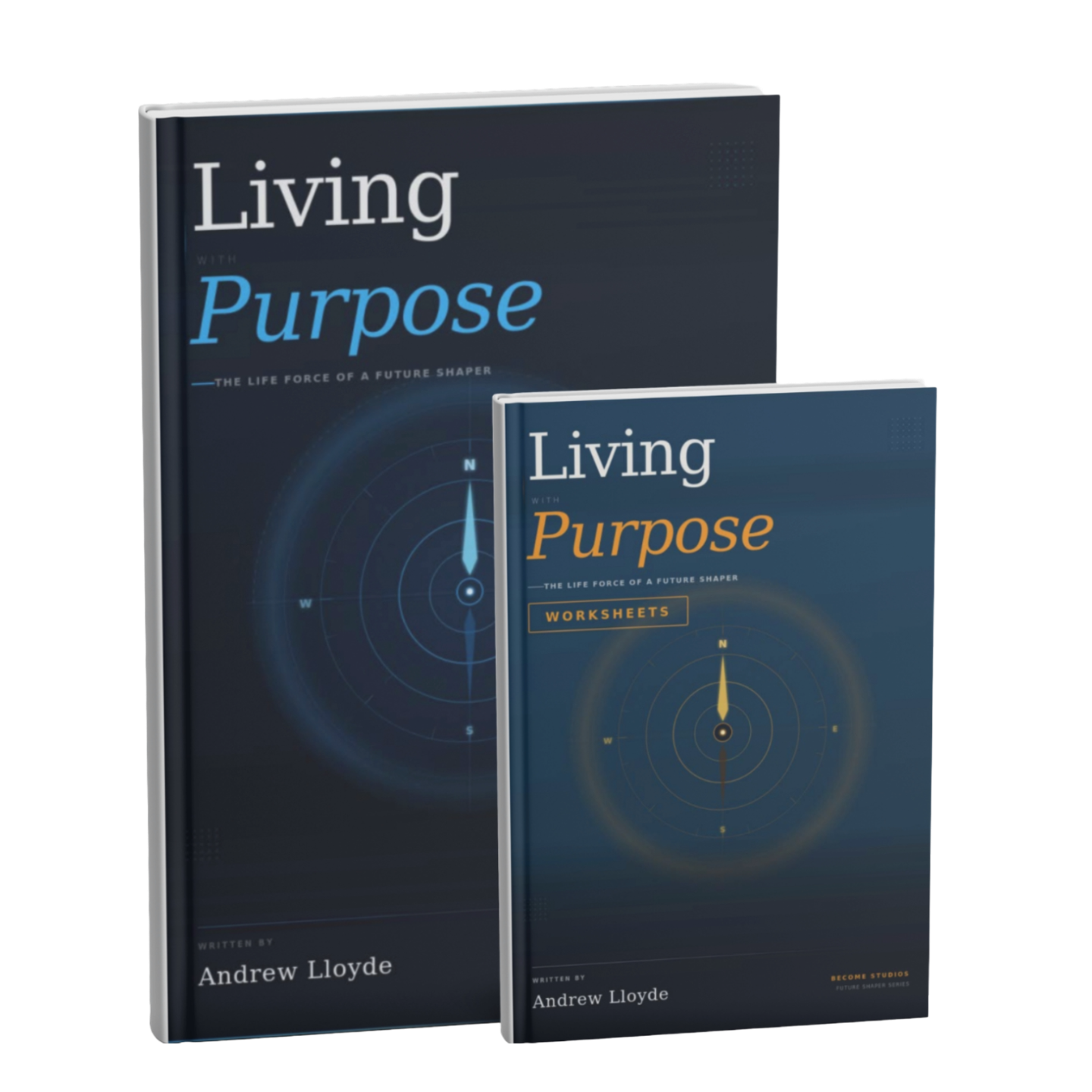
Active versus Reactive Thought and the notice, name, choose practice; the Mind’s Triad of conscious, unconscious, and imaginative thinking; the Living Paradox; the full modalities toolkit; and the inner courtroom, the control room of the entire Integrated Performance Practice. Andrew’s book Harnessing Your Thinking takes you from a mind that runs you to a mind you operate, ready to govern everything else you build.
Who’s Behind It
Andrew Lloyd is a NIDA graduate who spent more than thirty years training professional actors, the people whose livelihood depends on commanding a room under pressure. He now teaches that same craft, adapted for everyday professional life, through BeCome Studios. This page is part of the Integrated Performance Practice: seven Skill Frameworks built to work on each other.
Common Questions
Is this meditation?
It overlaps but is not the same. Meditation trains attention in stillness. Active Thought trains it in motion, in the live moments of work, conflict, and decision where thinking actually goes wrong. Many people do both. This book requires neither cushion nor app.
Can you really change lifelong thought patterns?
Yes. Reactive patterns are habits of mind, and habits respond to deliberate practice at any age. The three-beat move works immediately. The deeper rewiring compounds over weeks, the same way any practice does.
What is the difference between positive thinking and Active Thought?
Positive thinking prescribes the content of thought. Active Thought trains command of it, including the command to face hard truths squarely. It is governance, not cheerfulness.
Why is this the last of the seven frameworks?
Because it operates the other six. Presence, purpose, character, and connection are all run from the same control room, your thinking. Harness it last and you have harnessed the operator of everything you built.
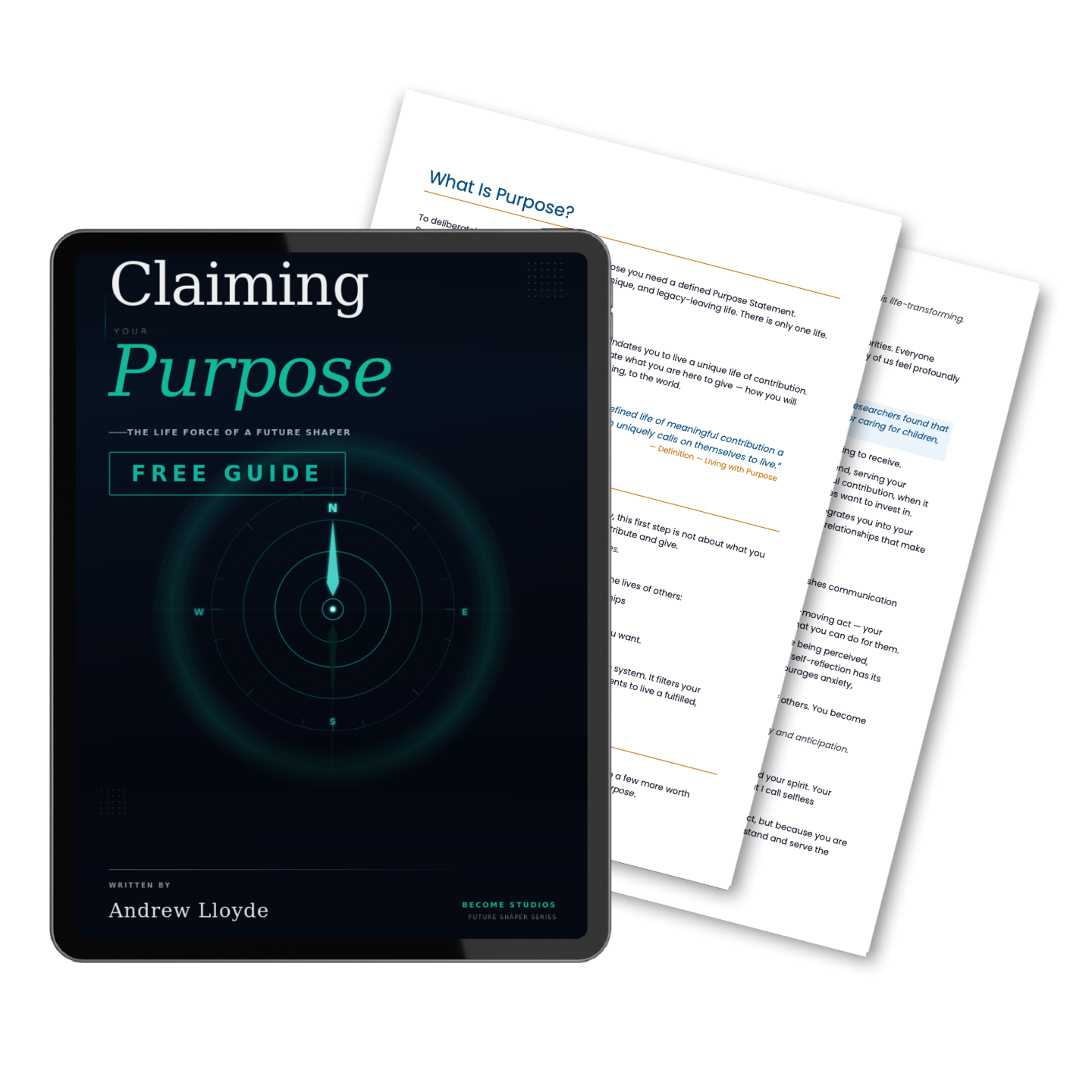
Two ways to begin. The free guide is the fastest first step and gives you the notice, name, choose move to try today. The book and program build the full discipline, from Active Thought to the Living Paradox to the inner courtroom that governs the rest.

|

|

|